Primary school management regulations

(Decree No.26 of the State Education Commission on March 9, 1996)

Chapter I General Principles

  Article 1 This Regulation is formulated in accordance with the Education Law of the People’s Republic of China and other relevant education laws and regulations in order to strengthen the standardized management of primary school contents, comprehensively implement the education policy and comprehensively improve the quality of education.

  Article 2 The primary schools referred to in these Regulations are institutions established by the government, enterprises, institutions, social organizations, other social organizations and individual citizens to carry out general primary education for children.

  Article 3 Primary schools shall implement compulsory primary education.

  The length of schooling in primary schools isSix or five years. Provinces, autonomous regions and municipalities directly under the Central Government may, according to the actual situation, determine the length of schooling for primary schools within their respective administrative areas.

  Article 4 Primary schools should implement the policy that education must serve the socialist modernization, and must be combined with productive labor to train builders and successors of the socialist cause with moral, intellectual and physical development.

  Article 5 Primary education should be connected with pre-school education and junior high school education. On the basis of school education, education and teaching activities should be implemented to make the educated lively and actively develop and lay the foundation for junior high school education.

  Article 6 The training objectives of primary schools are:

  Initially, he has the thoughts and feelings of loving the motherland, people, labor, science and socialism; Abide by social morality, collective consciousness and civilized behavior habits; Good will, character and lively and cheerful personality; Self-management and ability to distinguish right from wrong.

  Have the basic knowledge and skills of reading, writing, expressing and calculating, know some common sense of life, nature and society, have the ability of initial observation, thinking, hands-on operation and learning, and develop good study habits. Learn the methods of reasonable exercise and physical maintenance, form the habit of paying attention to hygiene, and have a healthy body and initial environmental adaptability. Has a wide range of interests and a healthy interest in beauty.

  Article 7 The basic teaching language in primary schools is Chinese. Schools should promote the use of Putonghua and standardized characters.

  Schools that mainly recruit minority students can use the spoken and written languages commonly used by their own ethnic groups or local ethnic groups for teaching, and should offer Chinese language courses at appropriate grades according to the actual situation.

  Eighth primary schools implement the principal responsibility system, and the principal is fully responsible for the school administration.

  In rural areas, the principal responsibility system of central primary schools can be implemented according to the situation.

  Ninth primary schools in accordance with the principle of "hierarchical management, division of responsibilities", the implementation of education under the leadership of the local people’s government.

Chapter II Admission and Student Status Management 

  Tenth primary school enrollment has reached the age of ten.Children who are 6 years old can be postponed to 7 years old in areas where conditions are not available. Primary schools start in autumn.

  Primary schools should, in accordance with the provisions of the Compulsory Education Law and its detailed rules for implementation, organize school-age children in service areas to enter the school on time and without examination under the leadership of the local government. The service area of primary schools shall be determined by the competent administrative department of education.

  Eleventh primary schools adopt the class teaching system, and the organizational form of classes should be single, and those who do not have the conditions can also adopt double. The number of places in teaching classes shall not exceed45 people is appropriate.

  The school scale should be conducive to education and teaching, to students’ physical and mental health, to management and to improving the efficiency of running a school.

  Twelfth primary school students who are unable to continue their studies due to illness (must have the certificate of designated medical units) may be allowed to suspend their studies after being approved by the relevant departments. Students who have been out of school for more than three months can be enrolled in the corresponding grades according to their actual academic level and after consulting their parents or other guardians.

  Primary schools that apply for transfer due to the change of household registration and are approved by the relevant education administrative departments to meet the requirements shall be properly placed in time and shall not refuse without reason.

  Primary school students who apply for schooling in the place where they are not registered for any reason may be allowed to borrow if they meet the requirements after examination by the relevant departments, and may charge a borrowing fee according to the relevant provisions.

  Thirteenth primary schools should comprehensively evaluate students from moral, intellectual and physical aspects. We should do a good job in counseling students with learning difficulties and actively create conditions to gradually abolish the repetition system. Where the repetition system is still implemented at this stage, it is necessary to create conditions to gradually reduce the proportion of students who repeat grades and reduce the number of times they repeat grades.

  Primary schools will issue graduation certificates to those who have completed the prescribed courses and passed the grades; Those who fail will be issued with a certificate of completion, and the graduation grade will not be repeated. For those who have not completed the primary school curriculum, but have completed the compulsory education period stipulated by the local government, an associate degree certificate will be issued.

  Fourteenth primary school students with excellent academic performance who have reached the academic level of higher grades in advance may be allowed to advance to the corresponding grades and report to the competent education department for the record.

  Article 15 Primary schools shall commend students with excellent academic performance, criticize and educate students who have made mistakes, and give warnings, serious warnings and demerits to a few students who have made serious mistakes.

  Primary schools may not expel students.

  Sixteenth primary schools should prevent students who have not finished compulsory education for a specified number of years from dropping out of school. If they find that students have dropped out of school, they should immediately report to the competent authorities and cooperate with relevant departments to resume their studies according to law and do a good job.

  Seventeenth specific measures for the management of primary school student status shall be formulated by the provincial education administrative department.

Chapter III Education and Teaching Work

  Article 18 The main task of primary schools is education and teaching. All other work should be based on the principle of being conducive to the development of education and teaching.

  Nineteenth primary schools should carry out education and teaching in accordance with the curriculum plan and syllabus issued by the national or provincial education administrative departments.

  In the teaching work of primary schools, we should give full play to the overall functions of subject courses and activity courses, and provide students with moral, intellectual, physical, aesthetic and labor education to lay the foundation for their all-round development.

  Twentieth primary schools should actively carry out education and teaching research, use educational theory to guide education and teaching activities, and actively promote scientific research achievements and successful experiences.

  Twenty-first primary schools should put moral education in an important position, the principal is responsible, the teaching staff participate, teach and educate people, manage and educate people.

  School education should be combined with family education and social education.

  Twenty-second primary schools should set up a class teacher in each class, who is responsible for managing and guiding the class work. Teachers in charge of class should keep close contact with teachers in all subjects and parents of students, understand the situation of students’ thoughts, morality, behavior and studies, and coordinate and cooperate with students in implementing education.

  The head teacher should write comments according to the students’ behavior every semester.

  Twenty-third primary schools should give priority to positive education for students, affirm achievements and progress, point out shortcomings and deficiencies, and must not be sarcastic and rude, and corporal punishment and disguised corporal punishment are strictly prohibited.

  Twenty-fourth primary school teaching should be oriented to all students, adhere to the principle of aptitude, and give full play to the main role of students; We should attach importance to basic knowledge teaching and basic skills training, stimulate interest in learning, and cultivate correct learning methods and habits.

  Twenty-fifth primary schools should arrange school work in accordance with the school calendar promulgated by the administrative department of education. Primary schools are not allowed to suspend classes at will. If it is necessary to suspend classes under special circumstances, it shall be decided by the principal within one day and reported to the county education administrative department for the record. One day or more and three days or less shall be approved by the people’s government at the county level.

  Primary schools may not organize students to participate in commercial celebrations, performances and other activities, and participation in other social activities should not affect the teaching order and the normal work of schools.

  Twenty-sixth primary schools should arrange their schedules reasonably. Students spend no more than five or six years in school for education and teaching activities every day.6 hours, other grades should be reduced appropriately. Students are not allowed to make up classes or take new classes after class, at night and on holidays.

  The content of homework after class should be carefully selected, the difficulty should be moderate, the quantity should be appropriate, and the relevant regulations should be strictly implemented to ensure the students’ academic burden is appropriate.

  Twenty-seventh textbooks used in primary schools must be approved by the state or the provincial textbook approval department authorized by the state. Experimental teaching materials and local teaching materials must be approved by the relevant education administrative departments before they can be used.

  Primary schools shall not require or uniformly organize students to purchase all kinds of learning guidance materials. It is necessary to strengthen guidance for students to use learning tools.

  Twenty-eighth primary schools should evaluate the teaching quality in various forms according to the requirements of curriculum plan and syllabus. At the end of the semester, the examination subjects are Chinese and mathematics, and other subjects pass the usual examination to evaluate their grades.

  The primary school graduation examination is made by the school (in rural areas, it is made by the township central primary school under the guidance of the county-level education administrative department), and the examination subjects are Chinese and mathematics.

  Schools should establish scientific standards for comprehensively evaluating the quality of education morally, intellectually and physically, and should not rank classes and students by examination results, and take them as the only standards for measuring teaching quality and evaluating teachers’ teaching work.

  Twenty-ninth primary schools should pay attention to physical education and aesthetic education.

  Schools should strictly implement the laws and regulations on school physical education promulgated by the state, and enhance students’ physique through physical education class and other forms of physical activities. Schools should ensure that students have one hour of physical activity every day.

  Primary schools should give good music and art lessons, and other disciplines should also give play to the function of aesthetic education from the characteristics of their own disciplines. Aesthetic education should combine students’ daily life, put forward aesthetic requirements such as dress, appearance, language and behavior, and cultivate healthy aesthetic taste.

  Thirtieth primary schools should strengthen labor education for students, cultivate students’ thoughts of loving labor, loving the working people and cherishing the fruits of labor, cultivate their ability to engage in self-service, housework, public welfare labor and simple productive labor, and form working habits.

  Article 31 Primary schools should strengthen the guidance of students’ extracurricular activities, pay attention to contact with students’ families, children’s palaces (homes, stations) and youth science and technology museums (stations) and other extracurricular activities, carry out beneficial activities, and arrange students’ extracurricular activities in accordance with the relevant provisions of the education administrative department.

Chapter IV Personnel Work 

  Thirty-second primary schools can set up principals, vice principals, directors, teachers and other personnel according to the establishment.

  Article 33 The principal of a primary school is the person in charge of school administration. The headmaster should have the qualifications stipulated by the state and be appointed or employed by the higher authorities of the school setters or setters; The vice president and the director of teaching (general affairs) are nominated by the principal and appointed or employed according to the relevant provisions and procedures. Primary school principals set up by non-government should be reported to the competent education administrative department for the record.

  Principals should strengthen the study of educational policies, regulations and educational theories, strengthen their self-cultivation, improve their management level and manage the school according to law. Its main responsibilities are: 

  (a) to implement the national education policy, implement the education laws and regulations and the instructions and regulations of the education administrative department, follow the laws of education, and improve the quality of education;

  (B) to formulate the development of the school

  (three) follow the relevant laws and policies of the state, pay attention to the construction of teaching staff. Relying on teaching staff to run the school well and safeguard their legitimate rights and interests;

  (4) Give full play to the leading role of school education, and strive to promote the coordination of school education, family education and social education, and cooperate with each other to form a good educational environment.

  Thirty-fourth primary school principals should fully respect the democratic rights of teaching staff and listen to their opinions and suggestions on school work; Teaching staff should obey the leadership of the principal and conscientiously complete their own work.

  Teachers’ opinions and suggestions on school work can be directly reflected to the competent authorities when necessary, and no organization or individual may obstruct them.

  Thirty-fifth primary school teachers should have the qualifications prescribed by the state, enjoy and perform the rights and obligations prescribed by law, abide by professional ethics, and complete the education and teaching work.

  Thirty-sixth primary schools should strengthen the management of teachers, implement the system of teacher qualification, position and appointment according to the relevant provisions of the state, and establish and improve the professional assessment files. It is necessary to strengthen teachers’ ideological and political education and professional ethics education, and establish professionalism. Excellent teachers who conscientiously perform their duties should be rewarded.

  Thirty-seventh primary schools should attach importance to teachers’ continuing education, formulate teachers’ further education plans, and actively create conditions for teachers’ further education. Teachers’ further education should be based on the needs of school work, focusing on on-the-job, self-study and teaching subjects.

  Thirty-eighth other primary school personnel should have the corresponding political and professional qualities, and their specific qualifications and responsibilities shall be formulated by the education administrative department or school according to the relevant provisions of the state.

Chapter V Administrative Work 

  Thirty-ninth primary schools can set up institutions or personnel in charge of educational affairs, general affairs, etc. according to the scale, to assist the principals in doing the relevant work (grade groups can also be set up in larger schools), and their specific responsibilities shall be formulated by the schools.

  Article 40 If a primary school is large in scale, a school affairs committee convened by the principal and attended by the heads of various departments may be established to study and decide on major issues of the school.

  Forty-first primary schools should establish a staff (representative) assembly system, and strengthen democratic management and supervision. The general assembly can be held regularly, without a permanent body.

  Article 42 the Communist Party of China (CPC) plays a political core role in the organization of primary schools. Principals should rely on the Party’s school (local) grass-roots organizations and give full play to the role of trade unions, the Communist Youth League, the Young Pioneers and other organizations in school work.

  Forty-third primary schools should establish and improve educational research, business files, financial management, safety work, learning, meetings and other systems.

  Schools should establish a roster of staff, students and other statistical tables, and report them to the education administrative department of the competent department on a regular basis.

  Forty-fourth primary schools should accept the inspection, supervision and guidance of the administrative department of education or the competent department at a higher level, and truthfully report their work and reflect the situation.

  At the end of the school year, the school should report to the education administrative department or the superior competent department, and major issues should be reported at any time. 

Chapter VI School Buildings, Equipment and Funds

  Article 45 The conditions and funds for running a primary school shall be provided by the school sponsors. Its standards are formulated by the provincial people’s government.

  Primary schools should have school buildings, venues, facilities, teaching instruments and books and materials that meet the prescribed standards.

  Forty-sixth primary schools should comply with the relevant provisions of the management and use of school buildings, venues, etc., without the approval of the competent authorities, shall not change their use.

  It is necessary to carry out regular repairs and maintenance of school buildings, and immediately stop using dangerous buildings when they are found, and report them to the higher authorities. For the act of encroaching on school buildings and sites, the school can report to the higher authorities of the infringer according to law until it brings a lawsuit to the people’s court.

  Primary schools should do a good job in campus construction planning, purification and greening, beautify the campus, do a good job in campus culture construction, and form a good educational environment.

  Forty-seventh primary schools should strengthen the management of teaching instruments, equipment, books, recreational and sports equipment and health facilities, establish and improve the system, and improve the efficiency of use.

  Forty-eighth public primary schools are free of tuition fees, and can appropriately collect miscellaneous fees. Primary school fees should be strictly in accordance with the charging items formulated by the provincial people’s government and the standards and measures formulated by the people’s governments at or above the county level.

  Forty-ninth primary schools can hold school-run industries according to relevant regulations, and organize teachers and students to work and study from the actual situation of the school. It is strictly forbidden to apportion money and materials to students instead of work-study programs.

  Primary schools can accept social donations according to the relevant provisions of the state.

  Article 50 Primary schools should scientifically manage and rationally use school funds, improve the efficiency of use, establish and improve the fund management system, and submit the budget and final accounts to the school affairs committee or the staff congress for deliberation, and accept the supervision of the financial and auditing departments at higher levels. 

Chapter VII Health Care and Safety

  Fifty-first primary schools should conscientiously implement the relevant state regulations and policies on school health work, and establish and improve the school health work system. There should be a special person in charge of this work (schools with conditions should set up a school doctor’s office), and students’ health cards should be established to experience regularly or irregularly according to conditions.

  Fifty-second primary school environment, school buildings, facilities, books, equipment, etc. should be conducive to the physical and mental health of students, and the arrangement of education and teaching activities should conform to the physiological and psychological characteristics of students.

  It is necessary to continuously improve the school environmental sanitation and teaching hygiene conditions, carry out health education, cultivate students’ good hygiene habits, and prevent infectious diseases, common diseases and food poisoning.

  Fifty-third primary schools should strengthen school safety work, carry out safety education according to local conditions, and cultivate teachers and students’ self-help and self-care ability. Where students are organized to participate in cultural and sports activities, social practice, outings and labor, proper preventive measures should be taken to ensure the safety of teachers and students.

Chapter VIII School, Family and Society 

  Fifty-fourth primary schools should establish community education organizations with streets, villagers’ committees and nearby organs, organizations, troops, enterprises and institutions, mobilize all sectors of society to support school work, and optimize the educational environment. Primary schools should also give full play to their own advantages and serve the spiritual civilization construction of the community.

  Fifty-fifth primary schools should take the initiative to establish contact with students’ families, and use parents’ schools and other forms to guide and help parents to create a good family education environment.

  Parents’ committees can be set up in primary schools to make them understand the school work, help schools solve the difficulties encountered in running schools, and reflect the opinions and suggestions of parents of students.

  The parents’ committee works under the guidance of the headmaster.

Chapter 9 Other things

  Fifty-sixth rural central primary schools should play the role of school demonstration, teaching and research center and further education base under the guidance of the county education department, and promote the overall improvement of the quality of local primary education.

  Fifty-seventh primary schools that undertake the task of education and teaching reform may, after being approved by the relevant departments, adjust some requirements in this regulation according to actual needs.

Chapter X Supplementary Provisions 

  Article 58 A primary school shall, in accordance with the Education Law of the People’s Republic of China and these regulations, formulate its articles of association in light of its actual situation.

  Fifty-ninth this regulation is mainly applicable to urban primary schools, rural primary schools and above, and other types of primary schools and institutions that implement primary education can refer to it.

  The education administrative departments of all provinces, autonomous regions and municipalities directly under the Central Government may formulate implementation measures according to this regulation.

  Article 60 These Rules shall come into force as of the date of promulgation.
  

He Kunlin’s criminal group is destroyed! Do evil, harm people’s mothers, control key financial departments.

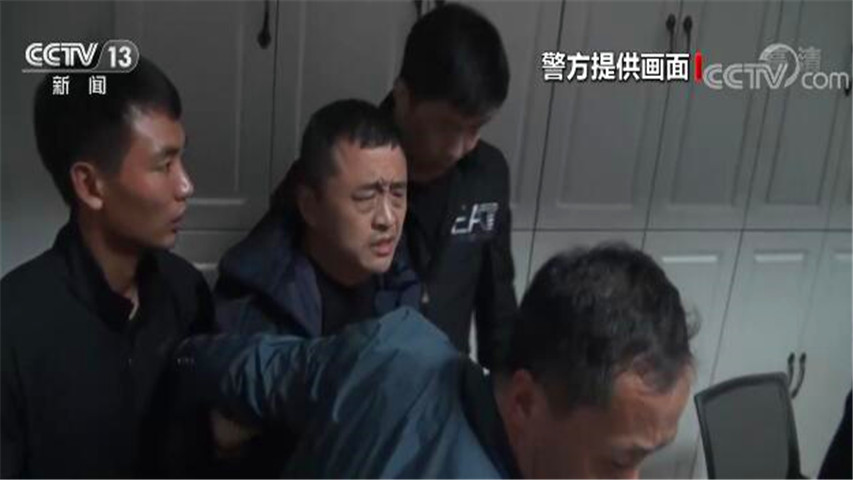
CCTV News:To pay attention to a big black case. Some time ago, Baicheng City, Jilin Province issued a verdict on He Kunlin’s organized crime case, and He Kunlin and other gang members were sentenced to fixed-term imprisonment ranging from one year and one month to 25 years respectively. At this point, this black gang that has been entrenched for a long time in Songjianghe Town, Fusong County, Jilin Province, has been completely destroyed. The detection of this case should start with the police receiving reports from the masses in 2018. After receiving relevant reports one after another, the Jilin Provincial Public Security Department decided to use the police in different places, and mobilized police forces from Baicheng City, more than 700 kilometers away, to form a task force to supervise this mega-black-related case, which revealed their evil deeds step by step.

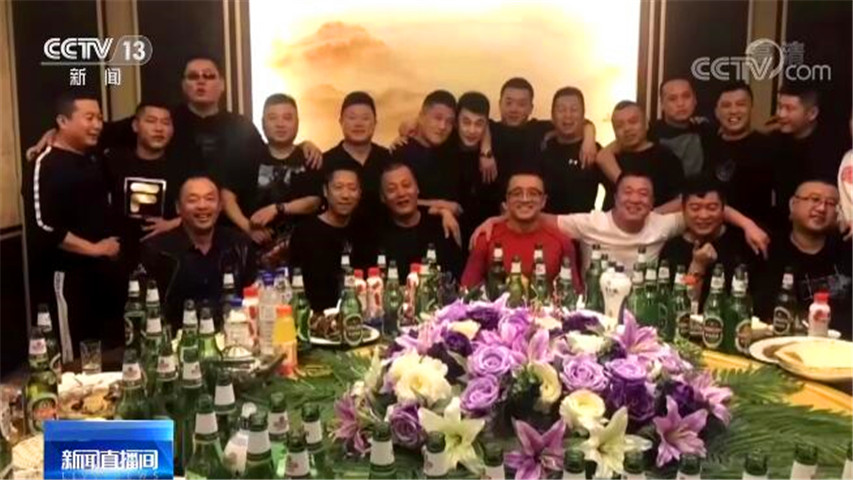
Songjianghe Town, Fusong County is located on the west slope of Changbai Mountain, which is rich in tourism resources, forestry resources and electric power resources. Since the 1990s, He Kunlin has been relying on the resources in his hands to win more and more people around him. With the continuous growth of the team, He Kunlin is not satisfied with the status quo.

Ma Gang, deputy director of Baicheng Public Security Bureau: "He has made trouble and hurt several times. He is not pursuing economic interests. He wants to establish his position in Songjiang River."

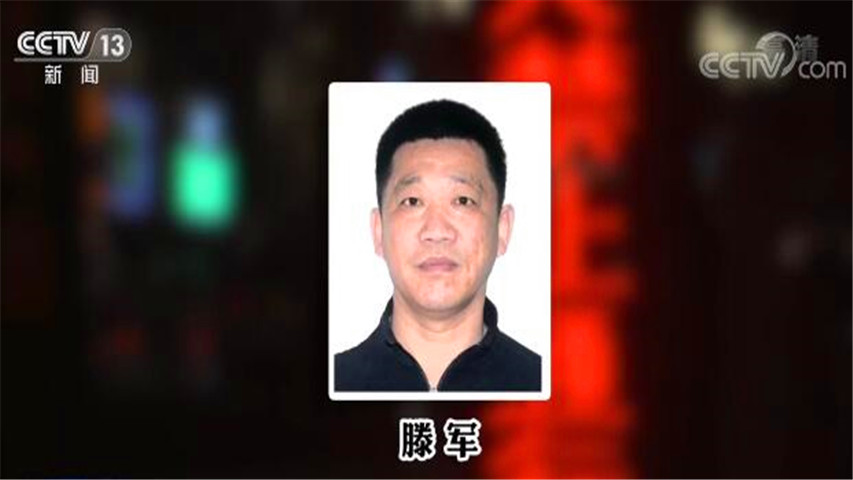
He Kunlin knows very well that if he wants to gain a foothold and gain recognition in Songjianghe Town, he will definitely not be able to make small noises. In 2004, he set his sights on Teng Jun, the number one "big brother" in Songjianghe Town at that time.

Mei Yajun, deputy director of taonan city Public Security Bureau: "At that time, Tengjun belonged to the biggest gang of evil forces in Songjiang River."

On May 30, 2004, Zhang Xiankai and Wang Kun under He Kunlin met Teng Jun and others in the pedestrian street of Songjianghe Town, and the two sides fought without a word. Later, Zhang Xiankai was taken away by Teng Jun, and Wang Kun quickly told their eldest brother He Kunlin about it. He Kunlin was attending a wedding outside at that time. After learning the news, he immediately led several younger brothers to the pedestrian street with a shotgun.

After getting the shotgun, He Kunlin and Teng Jun agreed to meet and negotiate on the pedestrian street. Teng Junwan, who was all-powerful in Songjianghe at that time, didn’t expect that as soon as he arrived at the appointed place, he was held against his head with a shotgun, and then he Kunlin took his hand and cut him seriously.

Ma Gang, deputy director of Baicheng Public Security Bureau, said: "Being seriously injured is the status of Songjiang River, which we call ‘ Become famous in World War I ’ Everyone knows that he defeated another big brother. "

He Kunlin became famous in World War I. Since then, many social idlers have "admired" and defected to his door. At this point, He Kunlin is still using his other name, He Peng. In the year of Songjiang River, the name He Peng was mentioned by everyone.

In the past ten years or so, they have set foot in monopolizing many industries by means of forced trading, land occupation, violence and intimidation, and if the victims resist a little, they will be persecuted and attacked.

According to police investigations, in December 2015, when He Kunlin and a gang member were driving, they slipped into a roadside ditch because of their excessive speed. However, they beat the driver on the grounds that the snow shovel that was working normally in the front was in the way, and forced the owner to compensate for the loss of 15,000 yuan. In 2016, when decorating his own bar, He Kunlin illegally detained and beat the owner of the decoration company on the grounds that the decoration effect was not satisfactory.

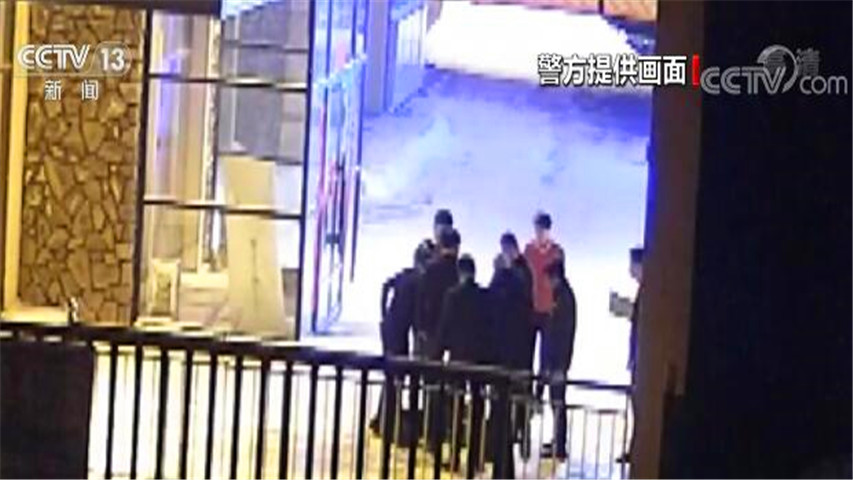
This is a video of a public place in front of the Tingxiang Bar opened by He Kunlin on March 1, 2016. Chen Mou, the customer, had a conflict with Zou Zhenguo, the manager of the bar, because of the reserved seat. Liu Jinhui, Zou Zhenguo and others under He Kunlin beat Chen Mou and injured him. After the identification by Fusong County Public Security Judicial Appraisal Center, the victim was a minor injury.

According to the police, over the years, He Kunlin’s gang has committed crimes of violence in the local area, including intentional injury, illegal detention, trouble-making, and gathering people to fight.

"By hook or by crook" intervene in real estate development to grab ill-gotten gains.

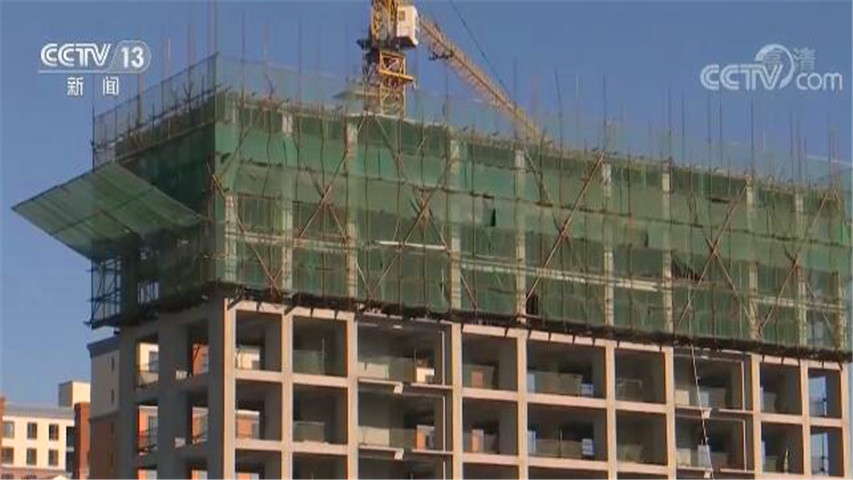
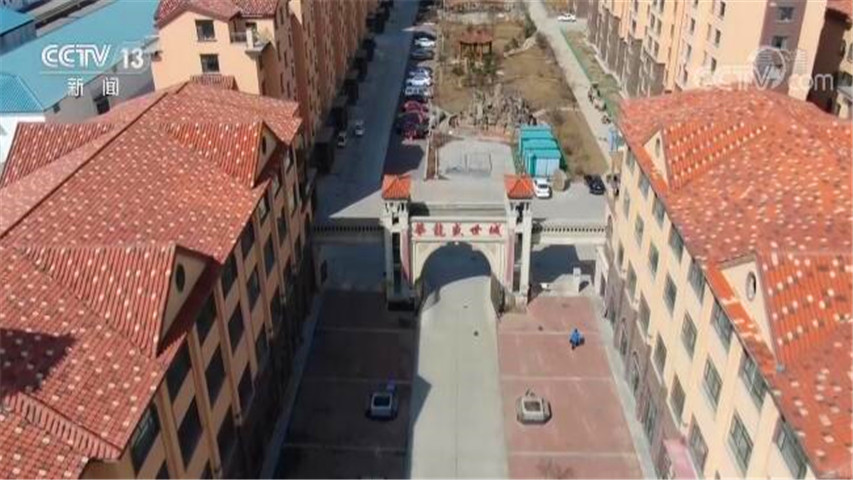
With the growing influence of gangs, He Kunlin’s appetite for money is also growing. First, he aimed at the real estate market, intervened by hook or by crook, and illegally developed several residential areas. In order to maximize the benefits, He Kunlin even defrauded local preferential policies to ensnare other people’s investment, grab ill-gotten gains, protect businesses with black, and support businesses with black.

Just in 2009, a foreign developer Li entered the sight of He Kunlin. At this time, a real estate in Li’s hand was attracting investment and preparing for construction. He Kunlin, who learned the news, decided to come to the door to talk about cooperation in person, but his so-called door-to-door visit directly rushed to the sales office with a group of his men.

Zhao Ying, deputy head of the Interpol Brigade of the Yubei Branch of Baicheng Public Security Bureau: "He said that you have no qualifications, and He Kunlin said no; He said how much money there was, but He Kunlin said there was none. Li is very surprised, then you have nothing, what are you doing here? He Kunlin said that my name is He Peng. You asked me about He Peng. If I don’t let you cover it, can you cover it? Will you not give it to me? "

Because there is really no possibility of cooperation between the two sides, Li did not take this conversation of He Kunlin seriously. However, the successive threats made Li uncomfortable and even more afraid. After a while, He Kunlin took the initiative to invite him to a restaurant for dinner, saying that he wanted to ease the relationship. During the dinner, because of a little incident, He Kunlin got up and beat the hotel waiter and boss.

In this way, in order to impress the developer Li, the hotel owner and waiter were not only beaten for no reason, but also apologized to He Kunlin afterwards. Under pressure, the developer Li gave a building of his own property to He Kunlin for construction, but even so, most of the project funds had to be paid by Li himself.

Pan Xu, the captain of the third brigade of the Economic Crime Investigation Detachment of Baicheng Public Security Bureau, said: "The money I put in was done by the people he was looking for, so the building was built, and then He Kunlin earned a more important bucket of gold here."

After he tasted the sweetness, He Kunlin decided to start developing his own real estate. The task force found out that during this period, He Kunlin fabricated real estate projects to attract investment, wooed bank staff to defraud the bank of huge loans, and forced others to ask for investment.

[Number Two] The key financial department of the gang is controlled by He Kunlin’s mother.

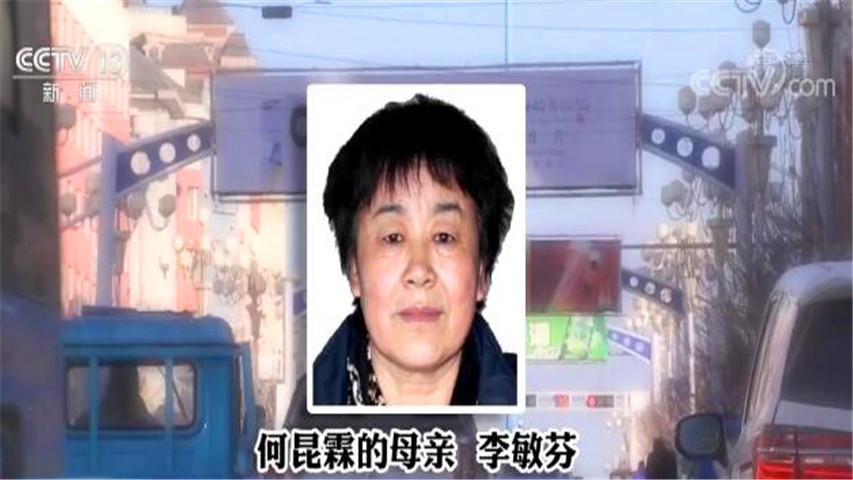
The police found that many of He Kunlin’s crimes involving black and evil were related to his mother, Li Minfen. Through further investigation, the police of the task force determined that Li Minfen was the "No.2 person" of He Kunlin’s gang and controlled the financial key department of the gang.

Li Minfen used to be an employee of Fusong County Tobacco Company. In He Kunlin’s company, everyone called her "director" and "chairman", and the society called her "Songjianghe Second Aunt".

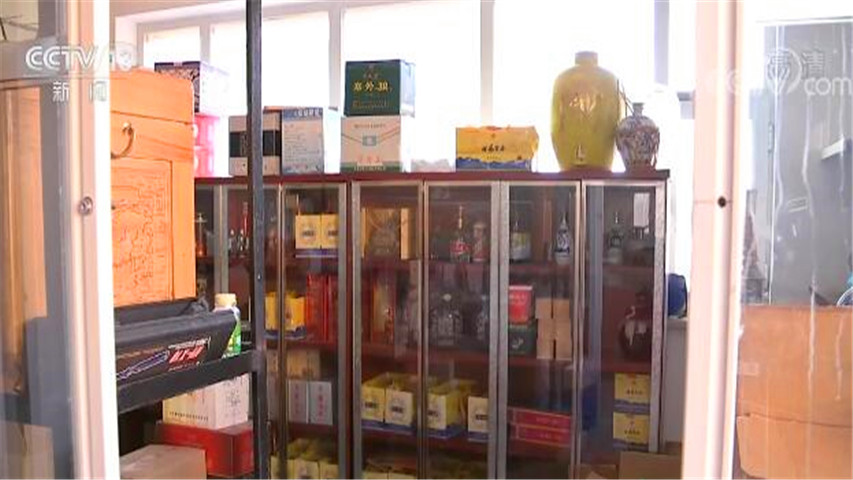
The police investigation found that in the early years, He Kunlin’s mother, Li Minfen, relied on He Kunlin’s local fame and power to open a number of shops in the prime location of Songjianghe Town, and often crowded out peers and publicized her status and authority through illegal means. Gradually, local sporting goods and clothing were monopolized by He Kunlin and his mother.

According to the investigation of the task force, the 16 companies under the name of He Kunlin, ranging from real estate development to the opening of clothing stores and mobile phone stores, are all controlled by Li Minfen, the mother of He Kunlin, and Li Minfen has the final say in all the incoming and outgoing funds of the company, including the settlement and distribution of project funds. After He Kunlin developed real estate, he contracted as a developer and was supervised by Li Minfen. In fact, all the money was circulated within the family.

The police investigation found that Li Minfen often used funds illegally and made false accounts. As long as he encountered obstacles, he contacted He Kunlin and took revenge on the other party.

An.d, deputy detachment leader of the Economic Crime Investigation Detachment of Baicheng Public Security Bureau: "This settlement is all controlled by his mother, and he will give as much as his mother says. If this house and this project are 1 million projects, when his mother settles, his mother may say that she will give you 300,000 yuan. If you don’t want it, I’m sorry, wait, and even say that if you are in a hurry and ask her for money, she will.

[Key issues] Discipline inspection and supervision organs intervene to dig deep into the "umbrella"

The reason why He Kunlin’s black gangs have been so rampant for many years is inseparable from their local "umbrella". At the beginning of its establishment, the task force took the initiative to ask the discipline inspection and supervision organs to intervene simultaneously, and dug deep into the "protective umbrella" behind the scenes around the two key issues of He Kunlin’s "how to obtain multiple identities" and "how to avoid the attack".

This is a real estate developed by He Kunlin. On the outside, the "staff canteen" inside is ugly, but it is a unique place, just like a private club.

Mei Yajun, deputy director of taonan city Public Security Bureau: "He made friends with some local government officials here. His handling of government officials is very simple. If I can win them over, I will win them over. If I can’t win them over, I will intimidate and lure them, and take some shameless means or follow-up photos or take some such methods to intimidate government officials into doing things for him."

Looking through the historical case files, the police found that during the nearly 20 years when He Kunlin was bullying, many related cases were pending. After completing the original capital accumulation, He Kunlin began to bleach his identity constantly, and he has many political auras.

Support business with black, and protect black with business. In the past twenty years, He Kunlin and others used various means to win over and corrupt local officials, and the police promptly handed over the clues to the Commission for Discipline Inspection, and many public officials were severely punished and punished by law for dereliction of duty.

[Start arresting] Waiting for the opportunity to arrest and wait for the gang leader to return to China

With the deepening of the investigation, the organizational structure of He Kunlin’s gang has gradually become clear, and the evidence chain in the hands of the police has been constantly improved and sufficient. The task force decided to wait for the right time to launch the arrest operation, and He Kunlin, who heard the wind, had fled abroad at this time.

Hou Qingbin, political commissar of the Public Security Bureau of Zhenlai County, Baicheng City: "What we have mastered is that after he heard the wind, he wanted to arrest him, and he ran away first. After running, the task force returned to (Baicheng) first. If there is no such thing, he feels that he can’t find out anything, and he will come back slowly."

This decision of the task force soon achieved results. In July 2018, just after He Kunlin thought that the country had been properly arranged and calm, he quietly returned to China and returned to Baishan.

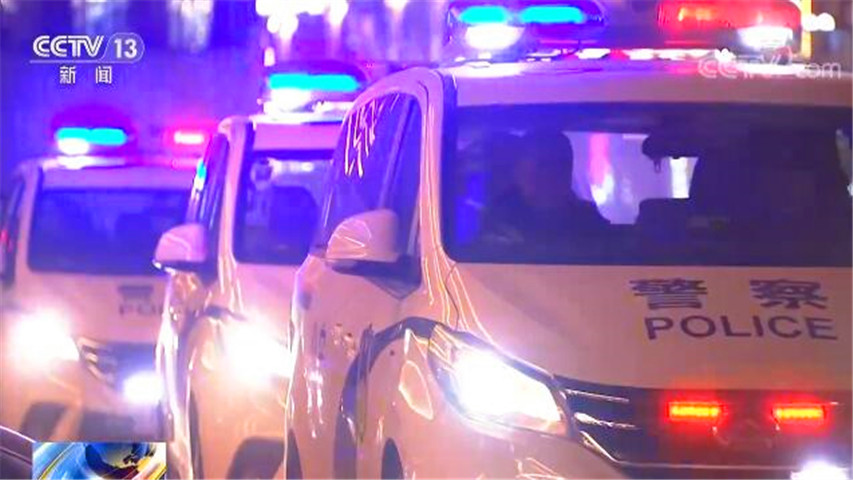
On September 18, 2018, the task force believed that the time was ripe and was ready to conduct a unified network closing operation. Through careful deployment, the task force ordered the arrest of He Kunlin.

After this centralized network-closing operation, He Kunlin and his mother Li Minfen, Du Zengxiang, Liu Jinhui, Wang Kun and other key members of the gang were all brought to justice. After the main criminal was arrested, the task force continued to rush to Beijing, Qingdao, Hangzhou and other places to arrest, and all the other 39 suspects were arrested.

After more than seven months of thorough investigation, the police found out that He Kunlin’s criminal gang was suspected of organizing leadership, participating in underworld organizations, extortion, causing trouble, intentional injury and illegal detention.

After the police investigation, they shall be handed over to the Da ‘an People’s Procuratorate for examination and prosecution according to law. On June 10, 2020, the People’s Court of Da ‘an made a first-instance judgment.

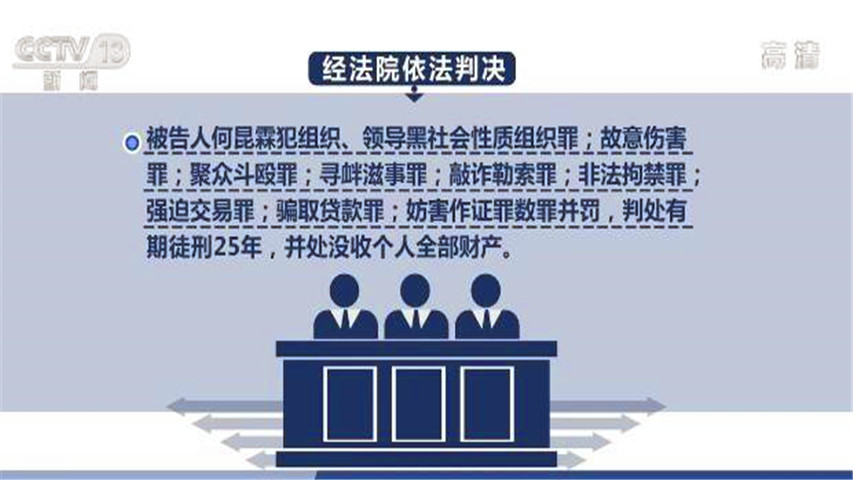
According to the court’s judgment, the defendant He Kunlin was involved in nine crimes and was sentenced to 25 years in prison and confiscated all his personal property. Seventeen gang members, including Li Minfen, Du Zengxiang, Liu Jinhui, Wang Kun and Duan Wentao, were sentenced to fixed-term imprisonment ranging from one year and one month to 14 years respectively and fined.

After the first trial, He Kunlin and others refused to accept the judgment and appealed to Baicheng Intermediate People’s Court. On September 27, 2020, Baicheng Intermediate People’s Court made a second-instance judgment after hearing according to law, dismissed the appeal and upheld the original judgment.

Joint statement of People’s Republic of China (PRC) and the Republic of South Africa on establishing an all-round strategic partnership in the new era (full text)

  Xinhua News Agency, Beijing, September 2nd 

Joint statement of People’s Republic of China (PRC) and the Republic of South Africa on establishing an all-round strategic cooperative partnership in the new era

  At the invitation of the Supreme Leader of President People’s Republic of China (PRC), President Cyril Ramaphosa of the Republic of South Africa paid a state visit to People’s Republic of China (PRC) on September 2, 2024.

  During the visit, the two heads of state held talks in a cordial and friendly atmosphere and exchanged in-depth views on the further development of China-South Africa and China-Africa relations and international and regional issues of common concern under the new situation.

  The two sides stated that cherishing the enduring special friendship between the two sides will accelerate the construction of a high-level community of destiny between China and South Africa. In order to further inherit friendship, consolidate mutual trust, expand cooperation and strengthen cooperation, the two heads of state unanimously decided to upgrade bilateral relations to an all-round strategic cooperative partnership in the new era, promote trade balance, accelerate economic transformation and growth and achieve common prosperity on the basis of solid political mutual trust. The two heads of state reached a series of important consensuses.

  First, accelerate the construction of a high-level community of destiny between China and South Africa.

  (1) The two sides spoke highly of the leap-forward development of bilateral relations since the establishment of diplomatic ties 26 years ago, and appreciated that the fourth state visit of the Supreme Leader to South Africa in August 2023 led to the "golden age" of bilateral relations and made considerable progress in cooperation in various fields. Under the new situation, the global significance and strategic influence of the relationship between the two countries have been continuously enhanced, and it has become a model of unity, cooperation and joint development between large developing countries and countries in the "global South".

  (2) China congratulates President Ramaphosa on his re-election. It is believed that under the leadership of President Ramaphosa, the South African government of national unity will achieve greater success in building a United, just, equal and prosperous country in accordance with the National Development Plan 2030, and maintain an independent and non-aligned foreign policy on the basis of the principle of progressive internationalism. South Africa warmly congratulates People’s Republic of China (PRC) on its 75th anniversary, positively evaluates the development achievements made by people of all ethnic groups in China led by the Communist Party of China (CPC), and wishes China to build itself into a powerful socialist modernization country in an all-round way and achieve the goal of the second century.

  (三)双方将进一步发挥元首外交的战略引领作用,落实两国元首重要共识,发挥各层级结构性交流机制作用,促进互利合作。双方鼓励密切政府、立法机构、地方等各领域各层级交往,持续深化治国理政经验交流互鉴。

  (四)中方坚定支持南非自主选择的民族团结政策和经济社会发展道路,尊重和支持南非政府为维护国家利益、促进经济发展和改善民生所作努力。南非政府重申奉行一个中国政策,承认世界上只有一个中国,中华人民共和国政府是代表中国的唯一合法政府,台湾是中国不可分割的一部分。南非支持中国政府为实现国家统一所作努力。

  (五)双方认为保障和保护包括发展权在内的人权是全人类共同事业,愿在相互尊重,平等相待,反对在人权问题上政治化、极化、选择性和双重标准的基础上开展人权交流与合作。双方同意反对一切形式的歧视,促进和保护弱势群体,特别是妇女、儿童和残疾人的权利,确保他们平等获得资源。

  二、推动共建“一带一路”合作与南非国家发展规划深度对接

  (6) The two sides agreed to strengthen the joint construction of the Belt and Road Initiative and the Economic Reconstruction and Recovery Plan, continue to implement the China-South Africa Ten-Year Cooperation Strategic Plan (2020-2029), and push the two sides to achieve more substantive results in priority issues in the political, economic and social fields.

  7. The two sides are willing to give full play to the mechanisms such as the China-South Africa Joint Working Group and the Joint Economic and Trade Commission, and further expand economic and trade exchanges by optimizing the trade structure, increasing market access and expanding the export of South Africa’s high value-added products.

  (8) The two sides encourage their respective industrial and commercial circles to increase two-way investment, increase manufacturing bases near the sources of related raw materials, and promote the transfer of technical skills and create jobs.

  (9) The two sides promise to provide a stable, fair and convenient business environment for enterprises of the two countries, and safeguard the safety and legitimate rights and interests of personnel, projects and institutions. The two sides encourage economic and trade delegations to exchange visits and will co-host a new energy investment conference through chambers of commerce and associations of both sides. China is willing to hold a recruitment conference for Chinese-funded enterprises with South Africa to promote local employment and improve people’s livelihood.

  10. The two sides believe that working together to promote modernization is the common goal of building a high-level community of destiny between China and South Africa. The two sides will deepen cooperation in traditional fields such as agriculture, health, medicine and infrastructure construction, seize the historic opportunity of a new round of scientific and technological revolution and industrial transformation, focus on key areas such as digital economy, new energy and artificial intelligence, promote cooperation in the development of new quality productive forces, and further expand mutually beneficial cooperation in the fields of renewable energy, energy storage and transmission and distribution.

  (11) China is willing to further share its experience in poverty reduction and rural revitalization with South Africa, build poverty reduction demonstration villages, and provide support for the coordinated development of urban and rural areas in South Africa. The two sides will continue to strengthen exchanges and cooperation in the fields of culture, women, health, youth, education, sports, media, tourism and other humanities.

  Third, work together to build an equal and orderly world multipolarization and inclusive economic globalization.

  12. South Africa welcomes China’s leading role in the international arena and recognizes that China’s global development initiative, global security initiative and global civilization initiative are aimed at maintaining global peace and security, promoting economic and social development and promoting global governance reform. South Africa believes that China will attach importance to the primacy of the United Nations and the African Union in promoting these initiatives, and be consistent with the principles and programs such as the United Nations 2030 Agenda for Sustainable Development and the African Union’s 2063 Agenda. South Africa looks forward to close communication and cooperation with China on bilateral and global issues of common concern, and encourages China to cooperate closely with other big countries in the fields of climate change, conflict prevention and resolution, fair trade and poverty reduction. The two sides welcome and support each other to play a greater role in international affairs, jointly safeguard fairness and justice, and promote global governance in a more just and rational direction.

  13. The two sides praised the 70th anniversary of the publication of the Five Principles of Peaceful Coexistence held by China this year. The Five Principles of Peaceful Coexistence was established at the Bandung Conference in 1955 and has since become the main goal of the Non-Aligned Movement. The two sides agreed to strengthen cooperation in international affairs and multilateral institutions on the basis of the purposes and principles of the Charter of the United Nations, jointly safeguard the rights and interests of developing countries and respect national sovereignty and territorial integrity, and jointly safeguard the international system with the United Nations at the core, the just international order based on international law and the basic norms of international relations.

  14. The two sides support comprehensive reform of the United Nations, including the Security Council, to make it more democratic, representative, effective and efficient, and to increase the representation of developing countries among the members of the Security Council, so that they can fully cope with the current global challenges and support emerging countries and developing countries to play a greater role in international affairs, especially in the UN Security Council.

  15. The two sides will actively push the issue of development back to the center of the agenda of international cooperation and promote the realization of the United Nations 2030 Agenda for Sustainable Development. China appreciates South Africa’s contribution to the international synergy of convergence and coordinated development, congratulates South Africa on successfully hosting the 15th meeting of BRICS leaders in 2023, and appreciates South Africa’s active role as the presidency to realize the historic expansion of BRICS members. The two sides agreed to continue to strengthen coordination and cooperation in the BRICS cooperation mechanism and promote the "Greater BRICS Cooperation" to achieve more pragmatic results.

  16. China will fully support South Africa to assume the presidency of the G20 in 2025, congratulate the AU on becoming a full member of the G20, and call on the international community to pay more attention to the priorities of the G20 involving Africa. China is willing to continuously enhance the influence and voice of emerging market countries and developing countries with South Africa, focusing on major issues such as macroeconomic policy coordination, global poverty reduction and development, and reform of international economic and financial institutions, so as to promote a more balanced and stable global economic and financial structure.

  17. The two sides will continue to uphold the core values and basic principles of the World Trade Organization, oppose "decoupling", resist unilateralism and protectionism, and call for the reform of the international financial system, improve the development financing of African countries and achieve common prosperity.

  18. The two sides appreciated each other’s respective roles on the Russian-Ukrainian issue, welcomed the consensus document issued by China and Brazil on the political settlement of the Ukrainian crisis, and welcomed the peace mission sent by the African Union. The two sides believe that inclusive dialogue and peaceful negotiations are the only feasible political way to solve the crisis in a lasting way, and call on all parties concerned to abide by the principle of "no spillover from the battlefield, no escalation of the war, and no fire from all sides".

  (XIX) The two sides expressed deep concern about the serious humanitarian disaster and spillover effects in the Gaza caused by the current Palestinian-Israeli conflict, and called for the effective implementation of UN Security Council resolutions, the immediate realization of a cease-fire and the resumption of the political settlement process of the Palestinian issue. China appreciates South Africa’s active efforts to activate the role of the international community in the conflict in Gaza, and is willing to jointly promote a comprehensive, just and lasting settlement of the Palestinian issue at an early date. South Africa appreciates China’s successful promotion of Palestinian factions to hold internal reconciliation dialogue and sign the Beijing Declaration.

  Fourth, promote the opening of a new era of building a high-level community of destiny between China and Africa.

  20. The two sides spoke highly of the success of the China-Africa Leaders’ Dialogue in South Africa in August 2023, and looked forward to the Beijing Summit of the Forum on China-Africa Cooperation fully implementing the "Support for Africa’s Industrialization Initiative", "China’s Plan to Help Africa’s Agricultural Modernization" and "China-Africa Cooperation Plan for Talent Cultivation" proposed by the Chairman of the Supreme Leader.

  (21) China appreciates that President Ramaphosa will co-chair the high-level meeting on "Industrialization, Agricultural Modernization and Green Development, the Road to Modernization" with Chinese leaders during the Beijing Summit of the Forum on China-Africa Cooperation.

  (22) The two sides agreed to further integrate the outcome of the summit with the African Union’s Agenda 2063 and the United Nations Agenda for Sustainable Development in 2030, thus opening a new chapter in China-Africa relations. The two heads of state expect the Beijing Summit of the Forum on China-Africa Cooperation to achieve fruitful results and promote the common development of China and Africa.

  (23) The two sides spoke highly of the leading and promoting role played by the Forum on China-Africa Cooperation in promoting high-quality cooperation between China and Africa since its establishment 24 years ago. The two heads of state wished the Beijing Summit of the Forum on China-Africa Cooperation in 2024 a complete success and hoped that the summit would open a new chapter in China-Africa solidarity and cooperation.

  24. The two sides called on the international community to support the efforts of African countries to fully implement the Continental Free Trade Agreement and give Africa space to promote integration. The two sides further called on the international community to support the African Union and other regional organizations in their efforts to independently solve African problems (that is, African solutions to African problems) and are willing to strengthen coordination on hot issues in Africa and jointly safeguard peace and security in Africa.

  (25) During the state visit, the two heads of state witnessed the signing of a number of bilateral cooperation documents, including cooperation in the application field of Beidou satellite navigation system, housing and human settlements construction, deepening bilateral trade cooperation, strengthening exchanges in the field of cultural heritage, foot-and-mouth disease prevention and control cooperation, quarantine and hygiene requirements for South African dairy products exported to China, quarantine and hygiene requirements for South African raw wool exported to China, and scientific and technological cooperation.

  26. Both sides agreed that President Ramaphosa’s visit to China was a complete success, which was of great significance to promoting the development of China-South Africa relations and building a high-level community of destiny between China and Africa. President Ramaphosa expressed his heartfelt thanks to Chairman Supreme Leader and the government and people of China for their warm and friendly reception during his visit.