In CES 2024, the whole venue rolled up the AI hardware tsunami, and the big model ushered in the first year of landing.
Original Li Shui Qing Zhi Dong Xi
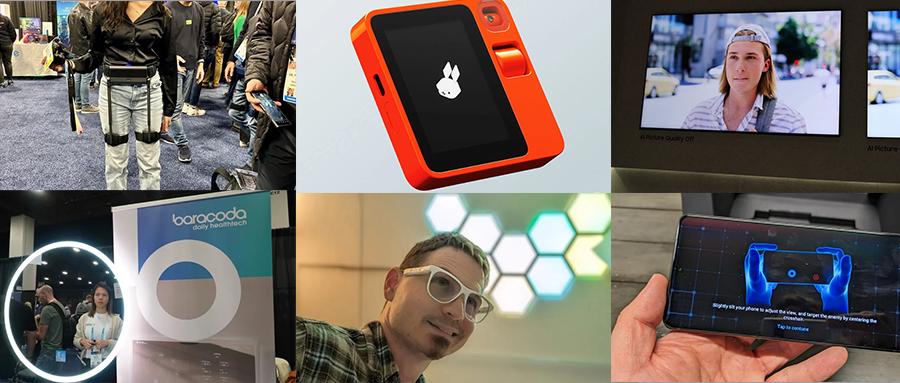
The category of AI PC is hot, intelligent assistants become standard appliances, and new hardware species are born …
Author | Li Shuiqing
Edit | Heart Edge
Lead: CES 2024, the global consumer electronics weather vane, has been launched for three days. At this long-lost annual science and technology event, over 4,000 companies have shown their magical powers and enthusiastically explained their best technology products and cutting-edge technologies to visitors. Wisdom has been running around the major venues of the exhibition for several days, bringing a series of in-depth follow-up reports on CES 2024. This is the dry goods observed by the generative AI industry.
Zhidx reported on January 12th that at CES 2024, the consumer electronics show in the United States, a variety of intelligent hardware were installed in the generative AI. For example, the independent AI hardware device R1 can be used as a home assistant, all models of Volkswagen are equipped with ChatGPT, Lenovo AI PC has built-in Copilot buttons, smart mirror BMind introduces generative AI into the bathroom, and smart glasses Solos AirGo 3 use ChatGPT for real-time translation …
Wisdom has brought a comprehensive exhibition observation () before. It is said that there are more than 4,000 exhibitors this year, and the number of participants has exceeded 130,000. The reporters from Zhidong not only felt that the exhibitors and the audience were full of enthusiasm for communication, but also noticed that the generative AI had landed on the carpet.
In summary, Zhizhi found that generative AI has made at least the following three progress in the landing of consumer electronic products:
1. The "new species" of generative AI hardware are born. They are neither mobile phones nor smart speakers, but have brand-new positioning and gameplay.
2. AI PC and AI mobile phone have become new hot spots, pre-installed generative AI software, and even fixed the AI assistant in the form of "buttons".
3. Generative AI has landed in home appliances, wearable devices, cars and other scenes, making interaction easier and more human.
01.
New hardware of generative AI was born.
With R1, you don’t have to open the APP.
To say that the most eye-catching generative AI hardware at CES this year is the independent AI hardware device R1 released by the founder Rabbit at CES.
This is a general application controller based on large-scale action model (LAM), which is said to be the AI Pin of benchmark Humane. Users can play music, take a taxi, shop and send messages without opening various applications or logging in, just telling R1 their own needs, because Rabbit trained its model on how to use these applications.
The R1 is about half the size of the iPhone, equipped with a 2.88-inch touch screen, a rotating camera and a scroll wheel. It costs $199 and will be shipped in March.
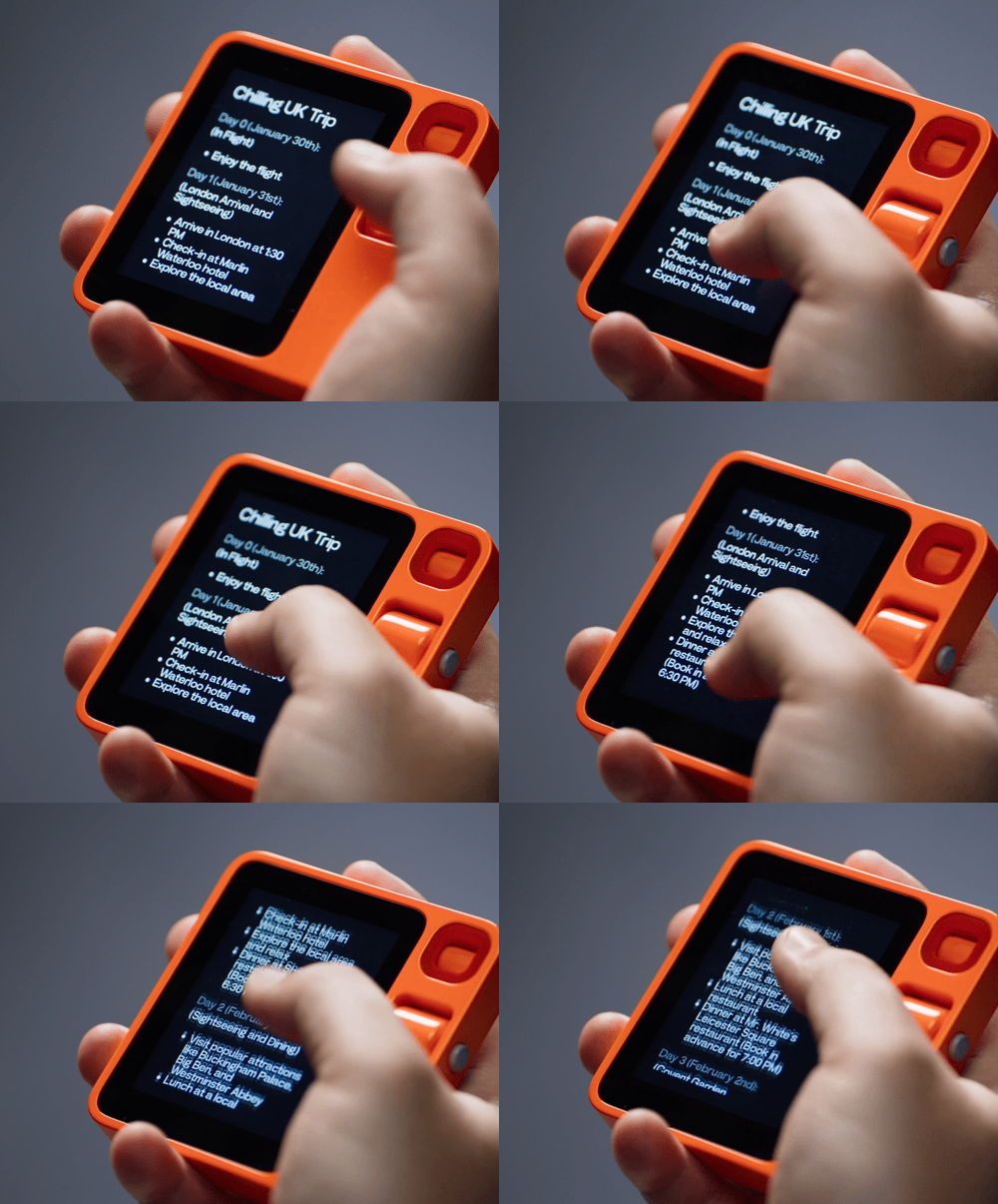
▲ Use R1 to query travel advice (Source: Rabbit)
R1′ s built-in Rabbit OS is equivalent to an intelligent assistant system, and the traditional intelligent assistant products are being changed by the big model technology.
For example, Amazon’s Alexa assistant cooperated with Character.AI to launch a customized role assistant. Users can get book recommendations from a librarian, talk to an imitation of Socrates, or get fitness advice from a personal trainer.
02.
Traditional consumer electronics have been connected to the generative AI intelligent assistant.
Getting on the bus and entering the home, clothing, food, housing and transportation, electronic devices in various fields are accessing the generative AI intelligent assistant.
1. The TV assistant can identify the owner, and AI upgrades the 8K image quality.
At CES, American startup Telly previewed a "Hey Telly" voice assistant based on ChatGPT.
On its 55-inch 4K TV, Heytell will "gradually understand and identify the owner of the TV" and provide personalized suggestions to users. At present, Heytell can mainly do some simple tasks such as setting timer and changing picture mode.
Samsung’s 8K QLED series TV will have AI image upgrade function, which is said to be the first in the industry to directly convert SD content to 8K resolution. Samsung Electronics also uses AI in other aspects, including creating images generated by AI.
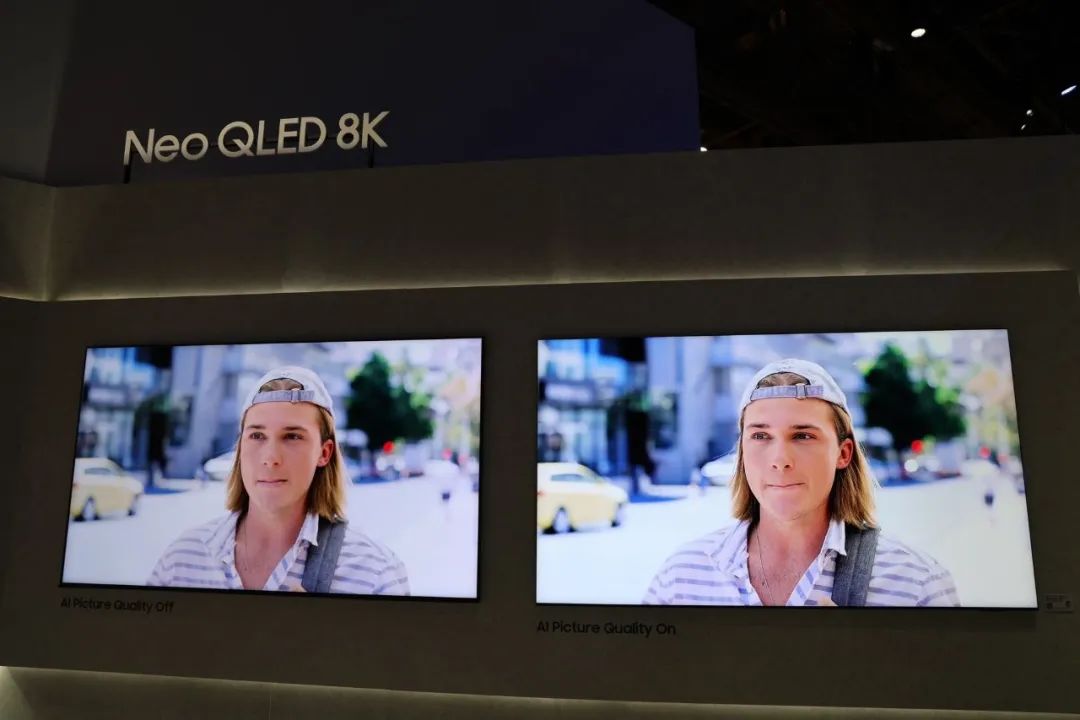
▲ Samsung Neo QLED 8K panel (Source: Wisdom)
2. Here comes the home robot, which can recognize emotions and play music.
LG has launched a smart home biped robot, which is said to interact with human beings through voice and image recognition, such as greeting users when they arrive home and playing music according to the detected emotions. LG Electronics calls its AI solution "Affectionate Intelligence )”:AI should be more caring, compassionate and understanding.
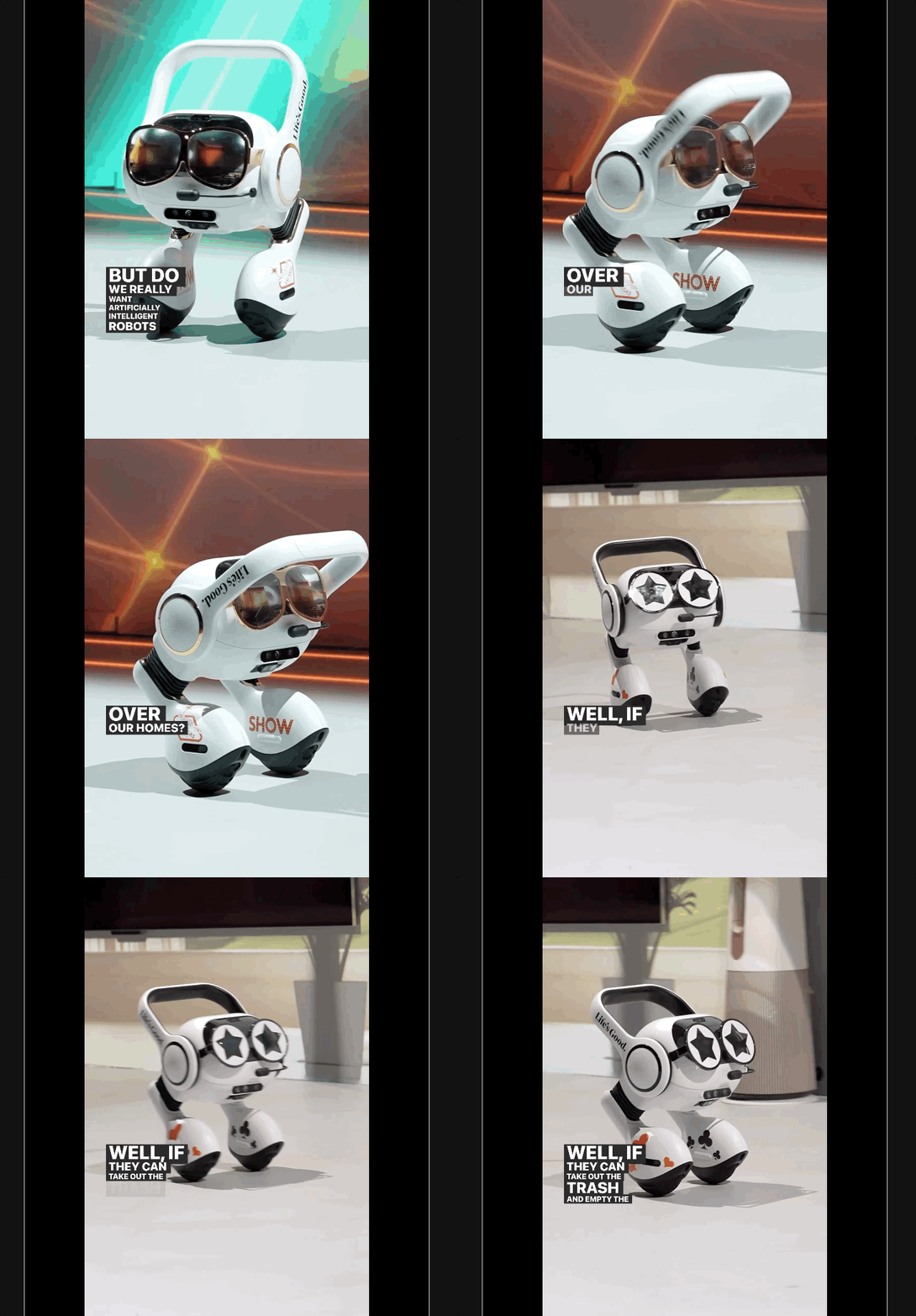
▲LG smart home biped machine (Source: LG)
3. The toothbrush can talk to the user, and the mirror becomes a psychologist’s assistant
Oclean, a domestic enterprise, launched an AI toothbrush Oclean X Ultra Wi-Fi digital toothbrush. It will talk to users when they brush their teeth and give suggestions on how to improve them.
Baracoda, a French smart health technology company, exhibited the world’s first smart mirror BMind based on generative AI, which can provide personalized suggestions according to the user’s mental state, such as phototherapy, guided meditation and self-affirmation to help improve mood.
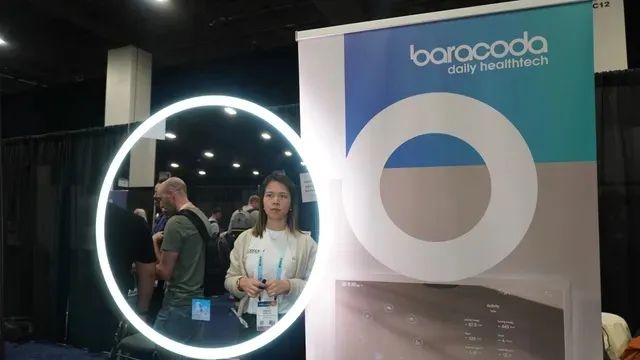
▲ smart mirror BMind (Source: ZDNET)
4. The wearable device is connected to the intelligent assistant to translate and make suggestions in real time.
In the field of wearable devices, American smart glasses company Solos exhibited a smart glasses Solos AirGo 3 equipped with ChatGPT, whose core function is real-time translation.

▲Solos AirGo 3 access ChatGPT (Source: Shenzhen Bay)
WIRobotics exhibited a Wim exoskeleton wearable device, which also has a personalized AI trainer built in, which can help people with mobility difficulties get a better exercise experience by adjusting the intensity and time.
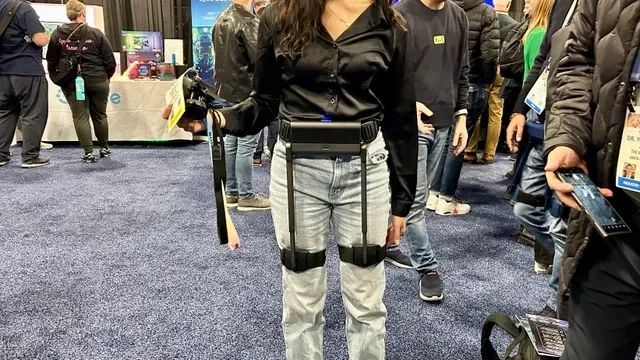
▲Wim exoskeleton wearable device (Source: ZDNET)
5. Generative AI "gets on the bus", and Mercedes-Benz Volkswagen has taken action.
Volkswagen announced that all its models will be equipped with ChatGPT, which was first launched in Europe in the second quarter of this year. Mercedes-Benz has launched a dialogue AI virtual assistant, which can provide suggestions to users based on context and invoke different emotions.
03.
AI PC category is hot
Copilot becomes a key.
Lenovo’s Think, Yoga and other series of new products began to be equipped with Creator Zone generative AI software, and intelligent assistants based on large models supported the functions of Wen Sheng Tu, AI Q&A and interaction. Some models are also equipped with a one-click direct "AI Now”Copilot button, which makes it easier to access daily AI partners more quickly.
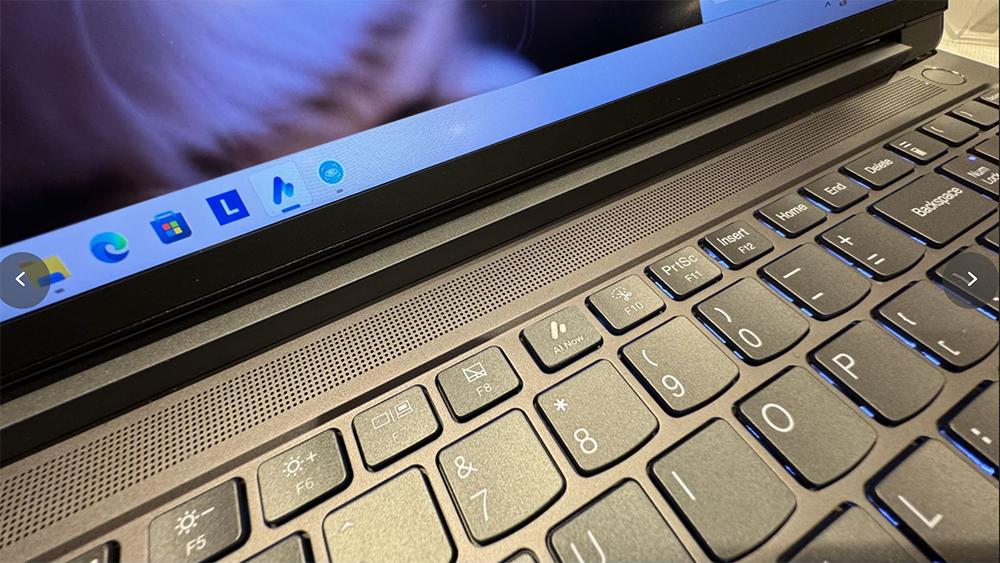
▲ "AI Now" one-button intelligent assistant key on Lenovo AI PC products (Source: Wisdom)
Dell’s new XPS laptop will also have Microsoft Copilot built in, which can help users summarize documents, search the Internet or create generated images. Last week, Microsoft announced that it would introduce Copilot key into the keyboard of Windows 11 computer, which is expected to affect more and more computer products.
On the mobile phone side, ASUS ROG Phone 8 Pro gaming phone is blessed with generative AI capabilities, including semantic search, AI wallpaper generator and AI video call noise reduction function.
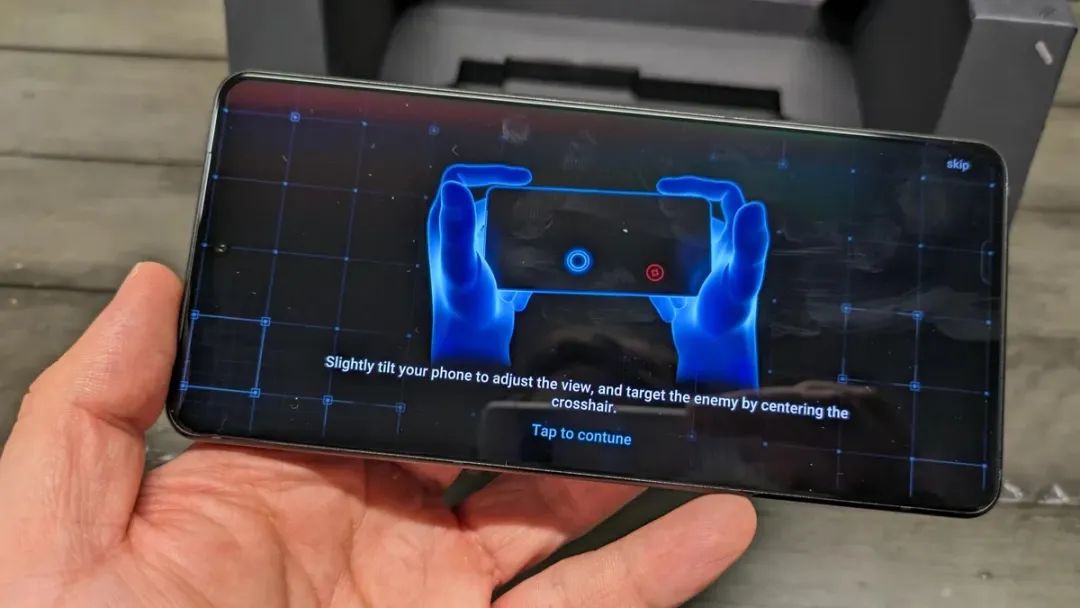
▲ ASUS ROG Phone 8 Pro game phone (Source: ASUS)
NVIDIA is a big winner in the generative AI tide. At this CES, it also launched the AI digital human service ACE, which can make NPC (non-player role) a dynamic interactive role that can initiate dialogue or guide players to find new tasks. Mihayou, Netease Games and tencent games have reached cooperation with it.
04.
Conclusion: Generative AI blooms everywhere.
Change the form of consumer electronics
It can be seen that generative AI has almost swept the entire CES venue, and it has blossomed everywhere in chips, PCs, smart homes, robots and smart driving scenes, transforming the form of consumer electronics products.
This year’s CES 2024 Innovation Award added artificial intelligence (AI) for the first time. According to official CES data, the contest received more than 3,000 applications, up 40% year-on-year, of which 7% were AI projects, which shows that the influence of AI has greatly increased.
It can be speculated that generative AI will first land in the electronic field with large user base such as mobile phones, computers and home appliances, and then the software will gradually change or even redefine the form of hardware.
In this process, more and more generative AI native hardware may be born, and manufacturers who firmly grasp the trend of generative AI are also expected to occupy a more favorable position.
(This article is the original content of the signing account of Netease News Netease Special Content Incentive Plan [Zhizhi]. It is forbidden to reprint it at will without the authorization of the account. )

Zhidongxi
Original title: "CES 2024, the whole venue rolled up the AI hardware tsunami, and the big model ushered in the first year of landing"
Read the original text