Smuggling crime is characterized by overlapping with money laundering and other crimes.
Smuggling crime is characterized by overlapping with money laundering and other crimes.
The Fourth Branch of Beijing Procuratorate issued the White Paper on the Prosecution of Smuggling Crime, sorting out the four characteristics of smuggling crime.
On the morning of March 31st, the Fourth Branch of Beijing Procuratorate (hereinafter referred to as "Beijing No.4 Branch") held a press conference to crack down on smuggling crimes, and issued the White Paper on Prosecuting Smuggling Crimes. As the first batch of pilot institutes for cross-administrative procuratorial reform in China, the institute has centralized jurisdiction over smuggling crimes investigated by the Anti-smuggling Bureau of Beijing Customs. In the past eight years, it has handled a number of smuggling crimes that are related to the vital interests of the people, widely concerned by the society and are major, difficult and complicated. The White Paper on Prosecuting Smuggling Crimes combs the basic situation and characteristics of smuggling crimes, and introduces the vivid practice of procuratorial organs performing their duties according to law and actively, and effectively safeguarding the security of the capital.
Basic situation of handling smuggling crime cases
From 2015 to 2022, Beijing No.4 Inspection Branch handled a total of 536 cases of smuggling crimes, covering most of the targets of smuggling crimes. Among them, there are 246 cases of smuggling ordinary goods and articles, 177 cases of smuggling precious animals and precious animal products, 60 cases of smuggling drugs, 27 cases of smuggling goods whose import and export are prohibited by the state, 17 cases of smuggling weapons and ammunition, and 9 cases of smuggling cultural relics, obscene articles and drugs. Cases of smuggling ordinary goods and articles and cases of smuggling precious animal products account for the largest number, accounting for 78.9% in total.
Characteristics of smuggling crime cases
First, the criminal means are hidden and diverse.Under the heavy blow of judicial organs, the perpetrator’s criminal means are diversified and hidden. In some drug-related cases, the perpetrator smuggled drugs by hiding them in the body or hiding them in concealed places such as carry-on clothes and luggage compartments. In some cases of smuggling crimes of falsely reporting trade, the perpetrator falsely reported smuggling for small-scale border trade, and the criminal means were hidden and confusing.
Second, joint crime cases are characterized by gangs and chains.From the subject of crime, among the 249 cases of smuggling crimes accepted by the first instance, 201 cases were committed by natural persons, accounting for 80.72%; 48 crimes committed by units, accounting for 19.28%; There were 36 cases of joint crimes, accounting for 21.68%. For example, in border trade smuggling and water passenger smuggling, there are many people involved, and the perpetrators form a criminal gang with orderly division of labor and close cooperation. The cargo owners, consignors, transporters and foreign exchange payers work closely together to form a "smuggling industrial chain", and organized crimes bring greater challenges to investigation and evidence collection, behavior characterization and amount determination.
Third, with the development of e-commerce economy, new smuggling crimes have emerged.Smuggling crime cases involve foreign trade rules, business practices and customs terminology, which are very professional. At the same time, with the development of international trade, new crimes associated with new formats and technologies have emerged in smuggling crimes. For example, with the development of e-commerce economy, actors use cross-border e-commerce to smuggle, which leads to new crimes.
Fourth, cross-competition with money laundering and other crimes frequently occurs.With the development of economy and society, more and more smuggling crimes are intertwined with related crimes such as money laundering, illegal business operation and forging company seals, showing a more complicated situation. For example, in Li’s money laundering case, Li transformed the proceeds of smuggling crimes in order to conceal the proceeds of others’ smuggling crimes.
Procuratorial performance in cracking down on smuggling crimes
First, adhere to the overall concept of national security, give full play to the advantages of centralized jurisdiction over smuggling cases, and effectively build a national barrier for the capital.
Accurately crack down on all kinds of smuggling crimes. Participated in a series of special actions to crack down on smuggling "Sword at the National Gate" and "Blue Sky", handled major cases such as smuggling frozen products into the country and smuggling used medical devices, punished criminal cases such as smuggling guns, ammunition, drugs and drugs, cracked down on smuggling precious animal products according to law, and handled a number of typical transnational and trans-regional cases. Form a powerful deterrent to smuggling crimes and earnestly safeguard national political security, economic security and ecological security. Adhere to the "double investigation of one case" and dig deep into related crimes such as money laundering crimes. Adhere to the "full chain" attack in the process of handling smuggling crimes, punish money laundering crimes according to law, let the "crimes" and "stolen goods" in the upstream of smuggling have nowhere to hide, and build a legal defense line for financial security. Strengthen legal supervision, strengthen guiding investigation and self-supplementary investigation. Nearly 3,000 cases of administrative punishment were examined, and 89 cases of execution were found. It was suggested that Beijing Customs transfer 12 criminal cases with 12 people, put 9 people on file for investigation, and prosecuted 6 cases with 6 people, all of which were convicted by the court. Give full play to the advantages of the "integration of arrest and prosecution" case-handling mechanism, strengthen guided investigation and self-supplementary investigation, and pursue and prosecute 13 people who missed the crime.
Second, deepen innovation and actively perform their duties to serve the high-quality development of the capital.
Strictly distinguish between crime and illegality, and leniently deal with crimes committed by private enterprises with minor circumstances according to law. Pay attention to extending from "punishment" to "governance", and take various measures such as promoting the rule of law and establishing a coordinated linkage mechanism to promote traceability governance, systematic governance and social governance. Strengthen the connection between criminal justice and administrative law enforcement, and form a joint force of social governance. Establish a working mechanism linking criminal justice and administrative law enforcement with the investigation organ, and urge the parties concerned to complete the payment of administrative penalty deposit in time; Strengthen cooperation with the Inspection Corps of the Market Supervision Bureau, the Tax Inspection Bureau, the Beijing Cultural Law Enforcement Corps and other units to carry out the transfer and convergence of administrative illegal clues and form a joint effort of governance. Strengthen the publicity of the rule of law and send the law popularization to the masses.
Third, strengthen the professional construction, and form the characteristic brand experience.
The establishment of the first procuratorial organ in China to be stationed in the investigation, supervision and cooperation office of the customs anti-smuggling department. Formulate guidelines for the collection of evidence in smuggling cases, and sign with the Anti-smuggling Bureau of Beijing Customs the Measures for Improving the Quality and Efficiency of Handling Smuggling Crimes, the Guidelines for the Collection of Evidence in Smuggling Crimes, and the Guidelines for the Collection and Examination of Evidence in Smuggling Ordinary Goods and Articles, Smuggling Precious Animal Products and Smuggling Drugs. Construct a database of sentencing in smuggling cases and create a "highland" for specialized talents in handling smuggling cases.
Fourth, adhere to the judicial protection of human rights and vigorously safeguard judicial justice.
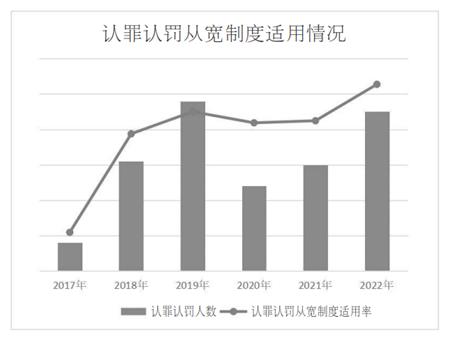
Adhere to the criminal justice policy of less arrest, cautious prosecution and cautious detention. Strengthen the review of the necessity of detention, make full use of the discretion of non-prosecution, avoid "once arrested, once put to the end", and promote the pre-litigation detention rate to drop from 67.6% in 2020 to 30.3% in 2022. In 2022, the non-prosecution rate increased by 13.2 percentage points year-on-year, fully reflecting the judicial temperature and procuratorial temperature. Strive to improve the supervision quality of investigation activities. Do not be absent from duty and supervise offside, and maximize the supervision effect. For example, in the case of a company in Beijing suspected of smuggling ordinary goods, the procuratorial organ visited the warehouse involved, learned about the payment of warehouse rent from the police handling the case, and put forward supervision opinions in time. Deepen the application of the lenient system of confession and punishment. Formulate the "Working Measures for Applying the Leniency System of Confession and Punishment to Criminal Cases in the Fourth Branch of Beijing Municipal People’s Procuratorate", and explore the combination of the leniency system of confession and punishment with the application of non-prosecution, effectively reducing social opposites and promoting social harmony and stability.
(Our reporter is concise.)